

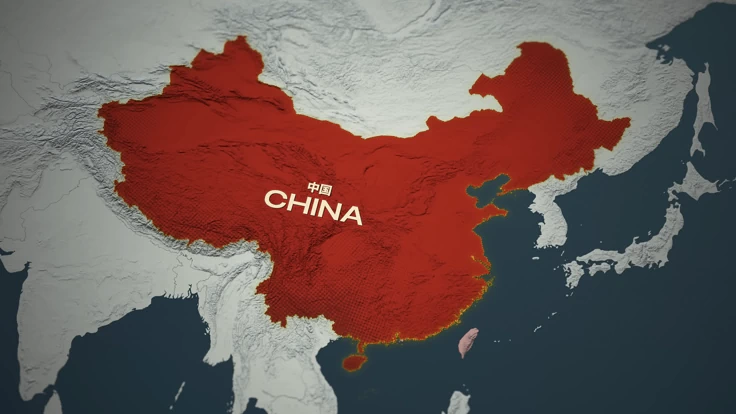

Executive Summary
China has remained the world’s manufacturing powerhouse for more than two decades. From consumer electronics and industrial machinery to medical devices, textiles, automotive components, and renewable energy products, millions of businesses around the world rely on Chinese suppliers every day.
Yet behind this enormous manufacturing ecosystem lies a complex commercial landscape.
Not every supplier listed on Alibaba is a manufacturer. Not every factory owns the production lines shown in its brochures. Not every certificate displayed on a company’s website is genuine. And not every supplier with an impressive showroom has the operational capability to fulfill a large international order.
Every year, companies lose millions of dollars because supplier verification begins after purchase orders are issued instead of before supplier approval.
The consequences extend far beyond delayed shipments.
Poor supplier selection can result in: Counterfeit certifications Hidden subcontracting Product quality failures Intellectual property theft Customs compliance issues ESG violations Financial losses Damaged customer relationships Long-term supply chain disruption
The reality is straightforward: The cost of verifying a supplier is almost always lower than the cost of choosing the wrong one.
Successful global procurement organizations do not select suppliers based solely on price. They evaluate suppliers through a structured due diligence process that examines legal legitimacy, manufacturing capability, financial stability, operational maturity, regulatory compliance, and long-term business reliability.
This guide presents the same methodology used by experienced sourcing professionals to reduce procurement risk when sourcing from China.
Rather than focusing only on document collection, it explains how to verify whether a supplier is genuinely capable of delivering what they promise.
Whether you are: sourcing from China for the first time, expanding your supplier network, auditing an existing manufacturer, managing strategic procurement, or building a resilient global supply chain, this guide provides a practical framework for making informed supplier decisions.
By the end of this article, you will understand: How to distinguish manufacturers from trading companies Which Chinese government databases should always be checked How to identify fake certificates What to inspect during a factory audit How to evaluate production capability Why financial due diligence matters Which warning signs should immediately raise concern How to establish an ongoing supplier monitoring program
More importantly, you will learn how experienced sourcing professionals think before approving a supplier—not after problems occur.
Why Supplier Verification in China Matters
China is often viewed as a single manufacturing market. In reality, it is a vast industrial ecosystem comprising millions of registered companies, ranging from world-class manufacturers supplying Fortune 500 corporations to newly established trading firms with limited operational capabilities.
From a procurement perspective, “finding a supplier” is no longer the difficult part. Finding the right supplier is.
Digital sourcing platforms have made supplier discovery easier than ever. Within minutes, buyers can obtain quotations from dozens of companies offering nearly identical products at dramatically different prices.
However, online visibility should never be confused with operational credibility. Professional websites, polished catalogs, international certifications, and responsive sales teams do not necessarily indicate manufacturing capability or financial stability.
Some suppliers operate modern production facilities with advanced quality systems. Others outsource production entirely. Some act solely as intermediaries between overseas buyers and independent factories. Others may possess little more than a registered company, rented office space, and effective marketing.
Without proper verification, these differences remain invisible until production begins—or until problems emerge.
For procurement professionals, supplier verification is therefore not an administrative exercise. It is a strategic risk management process.
Its objective is to answer several fundamental questions: Does this company legally exist? Does it actually manufacture the products it sells? Can it consistently meet quality requirements? Does it possess sufficient production capacity? Is it financially stable? Does it comply with environmental and labor regulations? Can it support long-term international business?
Each positive answer reduces uncertainty. Each unanswered question increases commercial risk.
Procurement Has Changed
Twenty years ago, supplier evaluation focused primarily on price, delivery, and product quality. Today’s procurement environment is significantly more complex.
Modern buyers must also evaluate: ESG performance Forced labor compliance Environmental responsibility Supply chain transparency Data security Intellectual property protection Cybersecurity Business continuity Regulatory compliance across multiple jurisdictions
A supplier that satisfies pricing requirements but fails an ESG audit can jeopardize an entire customer relationship. Likewise, a factory producing acceptable quality may still expose buyers to regulatory investigations if subcontracting practices remain undisclosed.
Supplier verification has therefore evolved from quality assurance into enterprise risk management.
Metrix Insight
One of the most common misconceptions among international buyers is that supplier verification ends once the business license has been checked. In practice, legal registration confirms only that a company exists—it does not confirm that it owns production equipment, employs skilled workers, maintains quality systems, or possesses the operational capacity required to fulfill international orders. The strongest supplier verification programs examine both legal legitimacy and operational reality.
Why Price Can Be Misleading
Price remains one of the strongest drivers in supplier selection. Unfortunately, it is also one of the most deceptive indicators.
An unusually low quotation may indicate: Hidden subcontracting Lower-grade materials Reduced inspection procedures Limited manufacturing capability Financial distress Aggressive customer acquisition Future requests for price increases
Professional procurement teams therefore evaluate pricing only after supplier credibility has been established. Choosing a supplier exclusively because it offers the lowest quotation frequently results in significantly higher total procurement costs through delayed deliveries, quality failures, warranty claims, emergency sourcing, and production interruptions.
Common Mistake
Many companies spend weeks negotiating prices while investing only a few minutes verifying the supplier. Experienced sourcing teams reverse this process. They verify first.They negotiate second.
Supplier Verification Is Not a One-Time Event
Another widespread misconception is that supplier verification occurs only during onboarding. In reality, supplier risk changes over time.
Companies relocate. Ownership changes. Production moves to subcontractors. Financial conditions deteriorate. Environmental permits expire. Quality systems weaken.
A supplier approved three years ago may no longer present the same level of operational reliability today. Leading procurement organizations therefore implement continuous supplier monitoring rather than relying solely on initial qualification. Verification should be viewed as an ongoing process throughout the supplier relationship—not merely a checkpoint before the first purchase order.
Expert Tip
The objective of supplier verification is not to eliminate every possible risk. That is impossible. The objective is to reduce uncertainty to a level where procurement decisions are based on verified facts rather than assumptions.
What’s Next
In the next chapter, we’ll build the Complete Six-Step China Supplier Verification Framework—a structured methodology that procurement teams can use to qualify suppliers consistently, objectively, and with full traceability. We’ll break down every stage, from initial document collection to legal verification, factory audits, financial due diligence, and continuous monitoring.
The Complete 6-Step China Supplier Verification Framework
Overview of the Six-Step Framework
Step Objective Key Outcome
- Step 1 Initial Supplier Screening Remove obviously unsuitable suppliers before investing time
- Step 2 Legal & Corporate Verification Confirm the company legally exists and operates legitimately
- Step 3 Operational Capability Assessment Verify manufacturing capability, facilities, and production capacity
- Step 4 Financial & Commercial Due Diligence Evaluate financial stability and long-term business viability
- Step 5 Compliance & Risk Assessment Review quality systems, ESG practices, certifications, and regulatory compliance
- Step 6 Continuous Monitoring Maintain visibility after supplier approval to identify emerging risks
Each stage answers a different question. Skipping one creates a blind spot that may not become apparent until production has already begun.
Step 1 — Initial Supplier Screening
The first objective is efficiency. Procurement teams often receive quotations from dozens of suppliers. Conducting a full audit on every candidate is neither practical nor cost-effective.
Instead, perform a preliminary screening using readily available information.
Review: Company website Product portfolio Export experience Primary markets Years in operation Business location Customer references Public certifications Communication quality Response time
This stage is designed to eliminate suppliers that clearly fail to meet minimum requirements.
Typical warning signs include: Generic email addresses with no corporate domain Poorly maintained websites No physical factory information Unrealistically low pricing Inconsistent company names across documents Inability to answer technical questions Pressure to place orders immediately
The purpose is not to approve a supplier—it is to identify which suppliers deserve further investigation.
Best Practice
Develop a standardized supplier pre-screening checklist and apply it consistently to every potential supplier. Consistency improves decision quality and reduces subjective bias.
Step 2 — Legal & Corporate Verification
Once a supplier passes the initial screening, the next step is confirming that the company legally exists and operates within the scope of its registered business activities.
Key verification areas include: Business License authenticity Unified Social Credit Code Registered capital Company registration status Legal representative Business scope Registration date Shareholder information Administrative penalties Litigation history
This information should be verified using official Chinese government databases whenever possible rather than relying solely on documents provided by the supplier. A scanned business license alone should never be treated as proof of legitimacy.
Warning
A valid business license confirms that a company is legally registered. It does not confirm that the company owns a factory, manufactures the advertised products, or has the operational capacity to fulfill international orders.
Step 3 — Operational Capability Assessment
Many procurement failures occur because buyers verify legal documentation but fail to verify operational reality. This stage determines whether the supplier can consistently produce products that meet your technical, quality, and delivery requirements.
Areas to assess include: Factory ownership Production equipment Production lines Manufacturing technology Workforce size Engineering capability Quality control process Laboratory facilities Warehouse management Production capacity Maintenance systems Traceability procedures
Whenever feasible, these assessments should be conducted through an on-site factory audit rather than relying on photographs or virtual tours. A factory may appear impressive in marketing materials while operating at only a fraction of the claimed capacity.
Metrix Insight
One of the most common sourcing risks is assuming that every supplier with a factory address is the actual manufacturer. In practice, some companies outsource production to subcontractors without informing overseas buyers. Verifying where production actually takes place is just as important as verifying who signs the contract.
Step 4 — Financial & Commercial Due Diligence
Operational capability alone does not guarantee business stability. Financially distressed suppliers may struggle to purchase raw materials, retain skilled employees, or maintain quality standards.
Commercial due diligence should evaluate: Financial health Payment history Credit profile Export performance Tax compliance Banking relationships Revenue stability Business continuity Ownership structure Major customer concentration
Understanding a supplier’s financial position helps buyers anticipate risks before they affect production schedules.
Expert Tip
Financial risk rarely appears overnight. Declining quality, increasing delivery delays, staff turnover, and repeated requests for advance payments can all indicate underlying financial pressure.
Step 5 — Compliance & Risk Assessment
Global procurement now extends beyond quality and cost. Buyers are increasingly responsible for ensuring that suppliers comply with environmental regulations, labor standards, product safety requirements, and international trade regulations.
Typical review areas include: ISO certifications Environmental compliance Occupational health and safety Labor practices ESG performance Product testing Export controls Intellectual property protection Cybersecurity policies Data protection
Compliance failures can create legal exposure even when product quality meets specifications.
Common Mistake
Many buyers assume that possessing an ISO certificate automatically indicates a well-managed factory. Certification demonstrates that a management system has been assessed at a point in time, but it does not guarantee ongoing operational excellence. Certificates should always be verified and supported by on-site observations.
Step 6 — Continuous Supplier Monitoring
Supplier approval should mark the beginning—not the end—of the verification process.
Businesses evolve over time. Management changes. Factories relocate. Production is outsourced. Financial conditions deteriorate. Regulations change.
A supplier that met expectations three years ago may present a significantly different risk profile today.
Continuous monitoring should include: Annual business license reviews Factory re-audits Certification renewal checks Quality performance tracking Delivery performance analysis Customer complaint trends ESG monitoring Financial risk reviews Regulatory updates Ongoing communication with management
Continuous monitoring transforms supplier verification from a one-time project into a long-term risk management system.
Quick Checklist
Before approving any supplier in China, confirm that you can answer “Yes” to the following questions: Is the company legally registered? Is the business license authentic? Does the company actually manufacture the products? Have production facilities been verified? Has manufacturing capacity been assessed? Are quality management systems effective? Are certifications genuine and current? Is the supplier financially stable? Are ESG and regulatory requirements satisfied? Has a long-term monitoring plan been established?
If any answer remains uncertain, further verification should be completed before issuing purchase orders or entering into long-term commercial agreements.
Next Chapter: How to Verify Chinese Business Licenses: Official Government Databases, Registration Records, and Common Fraud Indicators. This section will explain how to validate supplier registration using official Chinese sources, interpret business license information, and identify warning signs that are frequently overlooked during supplier due diligence.
How to Verify Chinese Business Licenses
A Practical Guide to Confirming the Legal Identity of Chinese Suppliers
For many international buyers, the first document requested from a potential supplier is the Chinese Business License. Receiving the document, however, is only the beginning of the verification process.
A business license should never be accepted at face value. It must be validated, interpreted, and cross-checked against official government records. A genuine business license confirms that a company has been legally registered in China, but it does not automatically confirm that the company owns a factory, manufactures the advertised products, or possesses the financial and operational capability to fulfill your orders.
Professional procurement teams treat the business license as the foundation of supplier due diligence—not its conclusion.
What Is a Chinese Business License?
Every legally registered company in mainland China is issued a Business License (营业执照) by the relevant Market Regulation Authority. This document serves as the company’s official legal identity and contains essential registration information that procurement professionals should verify before conducting business.
A standard business license typically includes: Company Name (Chinese) Unified Social Credit Code (USCC) Legal Representative Registered Capital Company Type Date of Establishment Registered Address Business Scope Registration Authority Operational Status
Each of these data points provides valuable insights into the legitimacy and capabilities of a supplier.
Why the Chinese Company Name Matters
One of the most common mistakes made by overseas buyers is relying solely on the English company name. Chinese companies often use multiple English translations for marketing purposes. These names may differ across websites, quotations, invoices, catalogs, or email signatures.
The legally recognized identity of the company is always its Chinese registered name.
For example:
Marketing Name Shanghai Best Industrial Group
Legal Name 上海百思特工业有限公司
Without the Chinese legal name, meaningful verification through official government databases becomes significantly more difficult.
Understanding the Unified Social Credit Code (USCC)
Since 2015, every registered business in China has been assigned an 18-character Unified Social Credit Code. This unique identifier functions similarly to a corporate identification number and allows authorities to track companies across multiple government systems.
Example: 91310115MA1H8XXXXX
The USCC is one of the most important pieces of information during supplier verification because it enables accurate searches across official databases and reduces the risk of confusing companies with similar names. If a supplier refuses to provide its USCC, this should be considered a warning sign.
Verify Registration Status
The next step is confirming whether the company is currently active.
Typical registration statuses include:
- Status Meaning
- Active Company is legally operating
- Revoked Business license has been cancelled
- Deregistered Company has ceased operations
- Suspended Operations restricted
- In Liquidation Company is being dissolved
Only companies with an active registration status should normally proceed to further supplier qualification.
Warning
Some suppliers continue using old catalogs, websites, or email addresses even after the company has been deregistered or entered liquidation. Always verify the current registration status directly from official records rather than relying on historical documents.
Examine the Business Scope
Every Chinese company has a legally registered business scope (经营范围). This section defines the commercial activities the company is authorized to perform.
Examples include: Manufacturing electronic products Import and export Research and development Equipment installation Wholesale distribution
If a company claims to manufacture industrial machinery but its registered business scope only covers trading activities, further investigation is warranted. The business scope does not always tell the complete story, but significant inconsistencies should never be ignored.
Registered Capital: What Does It Really Mean?
Registered capital is often misunderstood. Many buyers assume that higher registered capital automatically indicates a stronger or more reliable supplier.
In reality, registered capital represents the amount shareholders commit to contribute to the company. It does not necessarily reflect the company’s available cash, assets, profitability, or production capacity. A company with substantial registered capital may still experience financial difficulties, while a smaller company may be financially healthy and operationally efficient.
Registered capital should therefore be evaluated alongside financial statements, production capability, export history, and commercial performance.
Common Mistake
Selecting suppliers solely because they report high registered capital. Registered capital provides context, but it should never replace operational and financial due diligence.
Verify the Legal Representative
Every registered Chinese company appoints a Legal Representative (法定代表人). This individual has the authority to act on behalf of the company in many legal and commercial matters.
During supplier verification, procurement teams should confirm that: The legal representative listed on contracts matches official registration records. Corporate bank account information is consistent with the registered entity. Contract signatories are authorized to bind the company legally.
Discrepancies may indicate internal governance issues or, in some cases, attempted fraud.
Compare All Company Information
One of the simplest yet most effective verification techniques is consistency checking.
The following information should match across all documents:
- Document Information to Compare
- Business License Official company details
- Quotation Company name and address
- Proforma Invoice Legal entity
- Commercial Invoice Registered company
- Bank Account Account holder
- Sales Contract Contracting party
- Company Website Contact information
- Export Documents Corporate identity
Even small inconsistencies can justify additional investigation.
Metrix Insight
Procurement fraud rarely begins with a single obvious red flag. More often, it emerges through a series of minor inconsistencies—an outdated address, a different company name on the invoice, a bank account registered to another entity, or certificates issued to a related business. Individually, these issues may seem insignificant. Together, they can indicate elevated commercial risk.
Common Red Flags During Business License Verification
Watch for the following warning signs: The supplier refuses to provide the business license. The Chinese company name differs across documents. Registration status is not active. Registered address appears unrelated to manufacturing. Company established only recently but claims decades of experience. Business scope conflicts with advertised products. Bank account belongs to another legal entity. Certificates display a different company name. Company refuses independent verification. Contact information changes frequently.
One warning sign does not automatically indicate fraud. However, multiple warning signs should trigger enhanced due diligence before any commercial commitment is made.
Business License Verification Checklist
Before moving to the next stage of supplier qualification, confirm the following: Business License obtained Chinese company name verified Unified Social Credit Code confirmed Registration status is active Legal representative confirmed Registered address reviewed Business scope evaluated Company age assessed Registered capital reviewed Information consistent across all documents
Only after these checks have been completed should procurement teams proceed to evaluating the supplier’s manufacturing capability.
Next Chapter
Trading Company vs. Manufacturer: How to Identify Who Is Really Producing Your Products In the next section, we’ll examine one of the most misunderstood topics in global sourcing—how to distinguish genuine manufacturers from trading companies, why the distinction matters, and the practical methods experienced buyers use to verify where production actually takes place.
Trading Company vs. Manufacturer
How to Identify Who Is Really Producing Your Products
One of the biggest misconceptions in international sourcing is that every supplier with a professional website or a factory address is the actual manufacturer.
In reality, thousands of companies operating in China’s export market are trading companies, sourcing agents, or intermediaries. While many of these businesses are legitimate and provide valuable services, problems arise when buyers believe they are working directly with a manufacturer when they are not.
Understanding the difference is critical because it affects pricing, quality control, intellectual property protection, production visibility, and supply chain resilience.
The goal is not to avoid trading companies altogether. The goal is to know exactly who is making your product and who is responsible when something goes wrong.
Manufacturer vs. Trading Company
At a fundamental level, the distinction is straightforward. A manufacturer owns or controls production facilities and is responsible for producing goods. A trading company purchases products from one or more manufacturers and sells them to customers under its own commercial relationships.
- Manufacturer Trading Company
- Owns production facilities Purchases from factories
- Controls production schedules Coordinates with manufacturers
- Direct quality management Depends on factory quality systems
- Higher technical expertise Broader product sourcing
- Usually specializes in fewer products Often offers a wider product range
- Greater visibility into manufacturing Limited production transparency
Neither model is inherently better. The appropriate choice depends on the product, project complexity, order volume, and procurement strategy.
When a Trading Company Can Be the Better Choice
Many procurement professionals assume that buying directly from manufacturers is always the optimal approach. That assumption is not always correct.
A reputable trading company may offer advantages such as: Consolidating products from multiple factories. Managing supplier relationships. Coordinating quality inspections. Handling export documentation. Providing multilingual customer support. Offering lower minimum order quantities. Simplifying logistics.
For buyers purchasing multiple product categories, an experienced trading company can significantly reduce procurement complexity.
The issue is not whether a supplier is a trading company. The issue is whether the supplier is transparent about its business model.
Metrix Insight
Some of the most successful global sourcing programs intentionally use trading companies for procurement management while requiring complete visibility into the underlying manufacturing network. Transparency—not organizational structure—is the key differentiator.
Why Hidden Trading Companies Create Risk
Problems arise when a supplier presents itself as a manufacturer while outsourcing production to undisclosed factories. This creates several challenges.
Reduced Quality Control
The company signing the contract may have limited influence over manufacturing processes. Quality issues become more difficult to resolve because responsibility is shared between multiple parties.
Limited Production Visibility
Production schedules become harder to verify. Buyers may receive inaccurate updates because information passes through multiple organizations before reaching the customer.
Intellectual Property Risk
Every additional intermediary increases the number of organizations with access to confidential drawings, product specifications, tooling, and proprietary information. For companies producing patented or custom-designed products, this additional exposure can increase IP risk.
Inconsistent Production
If the trading company changes factories without notifying the buyer, product consistency may decline significantly. Different factories often use: Different raw materials Different production equipment Different quality standards Different inspection procedures Even when specifications remain unchanged, the finished product may vary.
How to Identify a Genuine Manufacturer
Experienced auditors rarely rely on a single indicator. Instead, they examine multiple pieces of evidence to determine whether production genuinely occurs at the claimed location.
Key indicators include:
Production Equipment
A manufacturer should possess machinery appropriate for the products it claims to produce. For example: CNC machining centers Injection molding machines SMT production lines Textile weaving equipment Automated assembly lines Packaging systems The equipment should match both the product category and production volume.
Engineering Capability
Manufacturers typically employ technical personnel such as: Process engineers Mechanical engineers Electrical engineers Quality engineers Production supervisors A company unable to discuss production processes in technical detail may simply be reselling another factory’s products.
Production Workflow
A genuine factory should demonstrate a logical production sequence: Receiving materials ↓ Incoming Quality Inspection ↓ Manufacturing ↓ Assembly ↓ Testing ↓ Final Inspection ↓ Packaging ↓ Warehouse ↓ Shipment
Interruptions or inconsistencies within this workflow should prompt further investigation.
Questions Every Buyer Should Ask
During supplier evaluation, ask questions that require operational knowledge rather than sales expertise.
Examples include: Which production processes are performed in-house? Which operations are outsourced? How many production lines do you operate? What is your monthly production capacity? How many employees work in manufacturing? What quality inspections occur during production? Can production be observed during an audit? How do you manage process traceability? Which machines perform the critical manufacturing operations?
Detailed, technically consistent answers often indicate genuine manufacturing expertise.
Expert Tip
Sales representatives can usually answer questions about pricing and delivery. Engineers can explain how products are actually manufactured. Whenever possible, include technical discussions with engineering or production personnel during supplier qualification.
Signs That a Supplier May Not Be the Manufacturer
While no single indicator proves that a company is a trading business, multiple warning signs deserve closer examination.
Common indicators include: Extremely broad product portfolio covering unrelated industries. Inability to provide factory photographs beyond marketing materials. Refusal to permit factory visits. Sales staff unable to explain manufacturing processes. Frequent changes to production lead times. Limited technical documentation. Certificates issued under another company name. Factory address inconsistent with satellite imagery or industrial zoning. Contracting entity differs from production location. Production questions repeatedly redirected to “our partner factory.”
Warning
Some suppliers intentionally present subcontracted factories as their own production facilities during virtual meetings or marketing presentations. Independent factory audits remain one of the most effective methods of confirming actual manufacturing capability.
Manufacturer Verification Checklist
Before approving a supplier as a manufacturer, confirm the following: Production facilities verified. Factory address confirmed. Machinery appropriate for the product. Engineering team available. Production process observed. Quality system implemented. Warehouse inspected. Production capacity assessed. Subcontracting disclosed. Factory ownership verified.
If several of these items cannot be confirmed, additional due diligence—or an independent factory audit—is recommended before placing significant orders.
Real-World Example
A European industrial equipment company received quotations from two suppliers offering nearly identical pricing. Both claimed to be manufacturers. During an on-site assessment, Supplier A demonstrated its machining centers, welding stations, quality laboratory, and production planning system. Supplier B, however, operated from a commercial office and arranged a visit to an unrelated factory located two hours away. Although both companies offered similar prices, only one controlled the manufacturing process. The buyer selected Supplier A. Six months later, Supplier B experienced production delays after its subcontractor prioritized larger customers. Supplier A maintained stable delivery performance because it controlled its own production schedule. This example illustrates why understanding who actually manufactures the product is just as important as evaluating price or quality.
Next Chapter
Factory Audit Best Practices: How to Evaluate Production Capability, Quality Systems, and Operational Excellence In the next chapter, we move from identifying the right manufacturer to inspecting how that manufacturer operates. We’ll cover audit planning, shop-floor evaluation, quality management systems, workforce capability, production capacity, equipment maintenance, and the indicators that distinguish a world-class factory from one that simply looks impressive in a brochure.
Factory Audit Best Practices
How to Evaluate Manufacturing Capability Beyond the Sales Presentation
A supplier may possess a valid business license, impressive certifications, and an attractive website, yet still lack the operational capability to consistently manufacture products that meet your quality, delivery, and compliance requirements.
This is why factory audits remain one of the most valuable tools in supplier verification. A factory audit bridges the gap between documentation and operational reality.
Rather than asking “What does this company claim?”, an audit asks: “What can this company actually demonstrate?”
Professional buyers do not audit factories to find mistakes. They audit factories to understand whether the supplier can reliably support their business over the long term.
What Is a Factory Audit?
A factory audit is a structured, on-site assessment of a supplier’s facilities, management systems, production processes, quality controls, workforce, and operational capabilities. Unlike a product inspection—which evaluates finished goods—a factory audit evaluates the organization responsible for producing those goods.
The objective is to answer one critical question: Can this supplier consistently deliver products that meet your expectations?
When Should a Factory Audit Be Performed?
A factory audit is particularly valuable in the following situations: Before approving a new supplier Before placing high-value purchase orders Before signing long-term supply agreements When sourcing customized or proprietary products Before transferring tooling or intellectual property After significant management or ownership changes Following repeated quality or delivery issues As part of periodic supplier requalification
For strategic suppliers, audits should become a recurring part of supplier performance management rather than a one-time event.
Preparing for the Audit
An effective audit begins long before arriving at the factory.
Preparation should include reviewing: Business license Product specifications Previous audit reports Customer complaints Quality performance history Certifications Production capacity claims Organization charts Factory layout Key production processes
Preparing targeted questions allows auditors to spend more time verifying information instead of collecting basic facts.
Expert Tip
Never provide an overly detailed audit checklist in advance. Suppliers should know the audit scope, but not every individual question. An audit should evaluate normal operations—not a performance prepared specifically for visitors.
First Impressions Matter
Experienced auditors begin making observations before entering the production area.
Initial observations include: Factory location Building condition Vehicle traffic Material storage Loading docks Security procedures Visitor registration Workplace organization
While these observations are not definitive, they often provide early indicators of management quality. A well-managed factory usually demonstrates discipline long before production begins.
Evaluate Production Facilities
The production floor provides the clearest evidence of manufacturing capability.
Auditors should verify:
- Production Equipment
Confirm that machinery matches the products being manufactured. Evaluate: Machine quantity Machine condition Maintenance records Equipment age Automation level Calibration status
Idle or poorly maintained equipment may indicate limited production activity.
Production Flow
Observe whether manufacturing follows a logical sequence. A typical workflow should include: Raw Material Receiving ↓ Incoming Inspection ↓ Production ↓ Assembly ↓ Testing ↓ Final Inspection ↓ Packaging ↓ Warehouse ↓ Shipment
Disorganized production flow often results in higher defect rates and inconsistent quality.
Capacity Assessment
Many suppliers overestimate production capacity during sales discussions. Instead of accepting stated figures, verify them using objective evidence.
Review: Number of production lines Operating shifts Machine utilization Workforce size Monthly production records Order backlog Lead times
Compare claimed capacity with observable production activity.
Metrix Insight
Capacity should never be evaluated solely by counting machines. True production capacity depends on equipment availability, operator skill, maintenance efficiency, material availability, production scheduling, and quality performance.
Assess Quality Management Systems
One of the primary objectives of a factory audit is understanding how quality is managed—not merely inspected. Quality should be integrated throughout production rather than concentrated at the final inspection stage.
Key areas include:
Incoming Material Inspection
Determine whether raw materials are inspected before entering production. Review: Supplier approval procedures Material specifications Inspection records Traceability systems
In-Process Quality Control
Effective manufacturers identify defects during production rather than after products are completed. Evaluate: Inspection frequency Sampling methods Process controls Corrective actions Non-conforming product management
Final Inspection
Confirm that finished products undergo documented inspection before shipment. Review: Inspection standards Acceptance criteria Testing procedures Packaging verification Shipment release authorization
Corrective Action Process
Every manufacturer encounters quality issues. The important question is not whether problems occur—but how they are managed.
Evaluate whether the factory documents: Root cause analysis Corrective actions Preventive actions Verification of effectiveness
Factories without structured corrective action systems often repeat the same problems.
Evaluate Workforce Capability
People remain one of the strongest indicators of manufacturing quality. Review: Employee training Operator qualifications Staff turnover Supervisor experience Technical expertise Safety awareness
Interviewing production supervisors often provides deeper insight than discussions with sales personnel.
Common Mistake
Buyers frequently focus on modern equipment while overlooking workforce competence. Advanced machinery cannot compensate for inadequate training, weak supervision, or poor production discipline.
Warehouse and Inventory Management
Warehouse organization reveals much about operational maturity. Verify: Raw material identification FIFO implementation Storage conditions Environmental controls Finished goods segregation Product traceability Inventory accuracy
Poor warehouse management frequently contributes to quality issues and shipment delays.
Maintenance Systems
Reliable production depends upon reliable equipment. Review whether preventive maintenance programs exist.
Look for: Maintenance schedules Calibration records Equipment downtime logs Spare parts management Emergency repair procedures
Factories relying solely on reactive maintenance often experience unexpected production interruptions.
Health, Safety, and Environmental Practices
Operational excellence includes responsible workplace management. Evaluate: Emergency exits Fire protection systems Personal protective equipment Chemical storage Waste management Ventilation Machine guarding Employee safety training
Poor safety performance often reflects broader weaknesses in management discipline.
Questions Every Auditor Should Ask
During the audit, management should be able to answer questions such as: What are your largest production constraints? Which processes are outsourced? How is production capacity calculated? What percentage of products require rework? How are customer complaints investigated? How is employee competency maintained? What happens when production falls behind schedule? Which KPIs are reviewed each month?
Confident, evidence-based answers generally indicate mature operational management.
Factory Audit Red Flags
The following observations warrant further investigation: Production lines inactive during normal working hours Equipment inconsistent with advertised products Refusal to access specific production areas Employees unable to explain processes Missing production records Expired calibration certificates Poor housekeeping Inadequate quality documentation Heavy dependence on temporary workers Significant discrepancies between audit findings and marketing materials
A single issue does not necessarily disqualify a supplier, but patterns of deficiencies should influence the overall risk assessment.
Warning
A well-presented factory tour is not the same as a successful factory audit. Experienced auditors rely on objective evidence, production records, employee interviews, and direct observation—not staged demonstrations.
Factory Audit Scorecard
A structured scoring system improves consistency across supplier evaluations.
Audit Area Weight
Production Capability 25%
Quality Management 25%
Workforce & Management 15%
Equipment & Maintenance 10%
Warehouse & Logistics 10%
Health, Safety & Environment 10%
Documentation & Traceability 5%
Scores should support—not replace—professional judgment. A supplier with a high overall score may still present unacceptable risk if it performs poorly in critical areas such as quality management or traceability.
Real-World Example
A North American electronics company shortlisted two PCB manufacturers with comparable pricing and certifications. On paper, both suppliers appeared equally qualified. During on-site audits, the first factory demonstrated controlled production lines, calibrated testing equipment, documented preventive maintenance, and real-time quality dashboards. Operators could clearly explain inspection procedures, and production records were complete and traceable. The second supplier presented modern equipment but failed to produce calibration records for key testing instruments. Incoming material inspections were inconsistent, several production operators had not completed documented training, and non-conforming products were stored alongside approved inventory. Although both suppliers held the same certifications, the audit revealed substantial differences in operational discipline. The buyer selected the first supplier, reducing long-term quality risk and avoiding costly production disruptions.
Next Chapter
Financial Due Diligence: How to Assess Financial Stability, Commercial Risk, and Long-Term Supplier Viability In the next chapter, we’ll examine how to evaluate a supplier’s financial health, creditworthiness, ownership structure, payment behavior, and business resilience—factors that are often overlooked until they result in delayed deliveries, cash flow problems, or supplier failure.
Financial Due Diligence
How to Assess Financial Stability Before It Becomes Your Problem
Many supplier relationships fail not because of poor product quality, but because the supplier can no longer operate sustainably.
Factories experiencing financial pressure often show early warning signs long before they cease operations. These signs may include delayed shipments, declining quality, increasing staff turnover, requests for advance payments, or frequent changes in production schedules.
By the time a supplier publicly announces financial difficulties, buyers have often already experienced disruptions.
Financial due diligence is therefore not an accounting exercise—it is a proactive risk management process designed to evaluate whether a supplier has the financial strength to support your business over the long term.
Why Financial Due Diligence Matters
Production requires cash.
Every shipment depends on a supplier’s ability to: Purchase raw materials Pay employees Maintain equipment Finance inventory Cover utilities and operating expenses Invest in quality systems Comply with regulatory obligations
If a supplier struggles financially, each of these areas may deteriorate, eventually affecting your orders. For procurement professionals, financial stability should be considered a quality indicator.
Metrix Insight
Financial distress rarely begins with bankruptcy. It usually appears gradually through operational symptoms such as inconsistent lead times, reduced inventories, increasing production defects, delayed responses, and requests for unusual payment terms.
Key Areas of Financial Assessment
A comprehensive financial review should examine several dimensions rather than relying on a single metric.
1. Company Age
Although young companies can become excellent suppliers, business longevity often reflects resilience. Evaluate: Year of incorporation Years in export markets Years producing the current product category History of ownership changes
Long-established companies generally have more mature operational systems and customer relationships.
2. Revenue Stability
Revenue trends provide insight into business sustainability. Questions to consider include: Is revenue increasing steadily? Has growth been consistent? Does revenue fluctuate significantly? Has the company experienced recent contraction?
Sudden changes may warrant further investigation.
3. Customer Diversification
Heavy dependence on one or two major customers creates concentration risk.
For example:
Customer Distribution Risk Level
Largest customer <20% of revenue Low
Largest customer 20–40% Moderate
Largest customer >50% High
If a supplier loses a dominant customer, its financial position may deteriorate rapidly.
4. Export Experience
International trading history demonstrates operational maturity. Evaluate: Export destinations Years exporting Major international customers Compliance with international standards Customs experience
Suppliers serving multiple international markets generally possess stronger export processes.
Evaluate Payment Behavior
Commercial behavior often reveals financial health.
Warning indicators include: Requests for unusually large deposits Frequent changes in payment terms Pressure for immediate payment Refusal to use standard payment methods Requests to transfer funds to unrelated entities
These issues do not necessarily indicate fraud, but they require careful review.
Warning
Never transfer payments to a bank account that differs from the legal entity named in your contract unless the arrangement has been independently verified and formally documented.
Working Capital Indicators
Healthy manufacturers maintain sufficient working capital to support ongoing production.
Observable indicators include: Adequate raw material inventory Stable workforce Active production lines Well-maintained facilities Consistent purchasing activity Regular equipment maintenance
Factories operating with minimal inventory or idle production lines may be experiencing cash flow constraints.
Ownership Structure
Understanding who owns the supplier can provide important context. Review: Shareholders Parent company Subsidiaries Related entities Beneficial ownership Recent ownership changes
Frequent changes in ownership may affect operational stability and decision-making.
Legal and Litigation Review
Financial risk is often reflected in legal records.
Areas to examine include: Commercial disputes Debt collection actions Contract litigation Intellectual property cases Administrative penalties Court enforcement actions
A history of isolated disputes is not unusual. However, repeated legal actions involving unpaid debts or contract breaches may indicate systemic financial or governance problems.
Expert Tip
Evaluate patterns rather than isolated events. One legal dispute over several years is common. Dozens of similar disputes involving unpaid suppliers or customers deserve closer scrutiny.
Operational Indicators of Financial Health
Financial statements are useful, but operational observations often provide equally valuable insight.
During a factory visit, look for:
Workforce Stability
Healthy manufacturers typically retain experienced employees. High employee turnover may indicate: Financial pressure Poor management Low morale Production instability
Equipment Maintenance
Companies facing cash shortages frequently postpone preventive maintenance. Look for: Oil leaks Temporary repairs Broken safety guards Poor calibration Excessive machine downtime
Deferred maintenance often precedes quality and delivery problems.
Inventory Levels
Factories with empty warehouses or insufficient raw materials may struggle to finance production. Conversely, unusually large inventories of unsold finished goods may indicate declining customer demand. Both situations require further analysis.
Financial Red Flags
The following issues should increase the level of due diligence: Repeated requests for advance payments Significant employee turnover Idle production equipment Declining production activity Delayed salary payments Frequent supplier changes Excessive dependence on one customer Unresolved legal disputes Multiple company restructurings Inconsistent banking information Sudden price reductions without explanation Persistent shipment delays
One red flag does not automatically disqualify a supplier. Several occurring together, however, should significantly increase the assessed risk level.
Common Mistake
Buyers often assume that competitive pricing reflects operational efficiency. In some cases, unusually low prices are a symptom of financial distress, where suppliers reduce margins simply to generate immediate cash flow. Sustainable pricing should always be evaluated alongside production capability and financial stability.
Supplier Financial Risk Matrix
Indicator Low Risk Medium Risk High Risk
Company Age
10 Years 3–10 Years <3 Years
Customer Concentration Diversified Moderate Highly Concentrated
Payment Terms Standard Slight Changes Frequent Changes
Workforce Stable Moderate Turnover High Turnover
Production Activity Fully Utilized Variable Frequently Idle
Litigation Minimal Occasional Repeated Commercial Cases
Maintenance Preventive Reactive Neglected
This matrix should be used alongside operational and legal assessments to build a comprehensive supplier risk profile.
Real-World Example
A global consumer products company was evaluating two suppliers with comparable production capabilities. Supplier A had modern facilities, consistent staffing, diversified export markets, and long-standing banking relationships. Supplier B offered prices approximately 12% lower. However, the due diligence process revealed frequent changes in payment terms, significant employee turnover, reduced inventory levels, and multiple commercial disputes with domestic suppliers. Although Supplier B appeared more competitive on price, the buyer selected Supplier A after concluding that the lower quotation reflected financial pressure rather than operational efficiency. Eighteen months later, Supplier B suspended operations following a severe cash flow crisis. Because the buyer had completed comprehensive financial due diligence, it avoided a potentially significant supply chain disruption.
Financial Due Diligence Checklist
Before approving a supplier, confirm that: Company history has been reviewed. Ownership structure is understood. Customer concentration has been assessed. Export experience has been verified. Payment behavior is consistent. Banking information matches the legal entity. Litigation history has been reviewed. Workforce stability has been evaluated. Production activity appears sustainable. No significant financial warning signs remain unresolved.
Next Chapter
ESG & Regulatory Compliance: How to Evaluate Environmental, Social, Governance, and Regulatory Risks in Chinese Manufacturing In the next chapter, we will examine how environmental regulations, labor practices, sustainability requirements, product compliance, and international trade regulations have become essential components of supplier verification—and why compliance failures can create risks that extend far beyond product quality.
ESG & Regulatory Compliance
Why Compliance Has Become a Core Component of Supplier Verification
A decade ago, supplier evaluations focused primarily on three questions: Can the factory manufacture the product? Is the quality acceptable? Can it deliver on time?
Today, those questions remain important, but they are no longer sufficient.
Governments, multinational corporations, investors, and consumers increasingly expect companies to understand not only what they buy, but also how, where, and under what conditions it is produced.
As a result, supplier verification has evolved beyond quality assurance into a broader assessment of environmental responsibility, labor practices, corporate governance, and regulatory compliance.
A supplier that consistently produces high-quality products may still expose buyers to significant legal, financial, and reputational risks if it fails to comply with environmental laws, labor regulations, or international trade requirements.
What Does ESG Mean?
ESG stands for:
Category Focus
Environmental Environmental impact and resource management
Social Employee welfare, labor practices, and human rights
Governance Corporate management, ethics, transparency, and compliance
Originally developed as an investment framework, ESG has become an essential part of supplier qualification across many industries. Large multinational organizations increasingly require suppliers to demonstrate responsible business practices throughout the supply chain.
Why ESG Matters in China
China has significantly strengthened its environmental regulations, workplace safety standards, and manufacturing oversight over the past decade.
Factories that fail to comply may experience: Government inspections Administrative penalties Temporary production suspensions Environmental shutdowns License revocation Export restrictions
For overseas buyers, these events often translate into delayed shipments, supply shortages, and unexpected production interruptions.
Metrix Insight
Buyers sometimes assume ESG is relevant only to publicly listed corporations. In reality, many SMEs now require ESG information from suppliers because their own customers demand supply chain transparency. Compliance expectations are moving down the supply chain.
Environmental Compliance
Environmental performance extends beyond possessing an environmental certificate. Auditors should evaluate whether environmental management is integrated into daily operations.
Areas to review include: Waste management procedures Wastewater treatment Air emission controls Hazardous material storage Chemical handling Noise management Energy consumption Water conservation Environmental permits Emergency response plans
Observations made during factory visits are often more informative than documentation alone.
Chemical Management
Manufacturers handling paints, solvents, adhesives, plating chemicals, or industrial cleaners should maintain appropriate chemical control systems. Verify: Chemical inventory Safety Data Sheets (SDS) Secondary containment Proper labeling Storage compatibility Spill response equipment Employee training
Improper chemical management may indicate broader weaknesses in operational discipline.
Labor Practices
Social responsibility begins with employees. Responsible manufacturers should demonstrate compliance with applicable labor laws and maintain safe, respectful working conditions.
Key evaluation areas include: Employment contracts Working hours Overtime management Wage payment Minimum age verification Freedom of employment Equal opportunity Employee grievance mechanisms Worker training Dormitory conditions (where applicable)
Expert Tip
During a factory audit, spend time speaking with production supervisors and shop-floor employees. Their responses often provide valuable insight into actual working conditions that cannot be determined from management presentations alone.
Occupational Health and Safety
Workplace safety reflects management quality. Review: Emergency exits Fire extinguishers Evacuation routes Machine guarding PPE usage First-aid facilities Safety signage Incident reporting Accident investigation Safety training
Factories that consistently maintain safe workplaces often demonstrate stronger operational discipline across other areas.
Governance and Business Ethics
Corporate governance is frequently overlooked during supplier selection. However, governance failures can expose buyers to legal and commercial risks.
Areas to evaluate include: Anti-corruption policies Gift and entertainment policies Whistleblower procedures Conflict-of-interest controls Data protection Cybersecurity policies Record retention Internal approval procedures Document control
Strong governance contributes to predictable and transparent business relationships.
Product Compliance
Depending on the product category and destination market, suppliers may need to comply with specific regulatory requirements.
Examples include: CE Marking RoHS REACH FCC UL FDA CPSIA UKCA IEC standards Industry-specific regulations
Buyers should verify not only that certificates exist but also that they apply to the products being purchased and remain current.
Warning
A certificate issued for one product cannot automatically be used to support another product. Always confirm that compliance documentation matches the exact product, model, and manufacturing site.
Supply Chain Transparency
Increasingly, customers expect visibility beyond the immediate supplier.
Questions to consider include: Are critical components sourced responsibly? Are subcontractors disclosed? Can raw materials be traced? Are high-risk suppliers monitored? Does the supplier maintain documented procurement procedures?
Supply chain transparency has become an important indicator of organizational maturity.
Intellectual Property Protection
Protecting intellectual property is an essential element of supplier governance.
Review whether the supplier has procedures covering: Confidential information Technical drawings Customer specifications Mold ownership Tooling control Data access Digital security Visitor restrictions
For custom products, confidentiality should be supported by appropriate contractual protections and internal controls.
ESG Red Flags
During supplier verification, the following observations warrant closer examination: Expired environmental permits Unsafe chemical storage Blocked emergency exits Missing PPE Excessive overtime without records Child labor indicators Poor housekeeping Uncontrolled hazardous waste Undisclosed subcontracting Missing compliance documentation Inconsistent employee records Lack of management accountability
One issue does not necessarily indicate systemic failure, but multiple deficiencies may significantly increase operational and reputational risk.
Common Mistake
Many buyers review ESG documents only after approving a supplier. Leading procurement organizations integrate ESG assessments into the initial supplier qualification process, allowing compliance risks to be identified before commercial relationships begin.
ESG Supplier Assessment Matrix
Assessment Area Key Questions
Environment Are environmental permits valid and operating practices compliant?
Labor Are employment practices legal and well documented?
Health & Safety Are workers adequately protected?
Governance Does management operate transparently and ethically?
Product Compliance Are certifications valid for the products supplied?
Supply Chain Is subcontracting disclosed and controlled?
IP Protection Are customer assets and confidential information safeguarded?
This assessment should be incorporated into the overall supplier risk profile rather than treated as a separate compliance exercise.
Real-World Example
An international consumer electronics brand approved a supplier based on competitive pricing, production capacity, and strong quality performance. Six months later, local authorities temporarily suspended the factory’s operations after identifying environmental violations related to wastewater treatment. Although the supplier resumed operations several weeks later, the interruption delayed multiple shipments and disrupted product launches in several export markets. A subsequent review found that the supplier’s environmental permits had not been independently verified during the initial qualification process. The incident highlighted an important lesson: operational capability alone is not sufficient. Regulatory compliance is equally essential to long-term supply chain resilience.
ESG Compliance Checklist
Before approving a supplier, verify that: Environmental permits are current. Waste management procedures are documented. Chemical storage complies with regulations. Workplace safety measures are implemented. Employee records comply with labor laws. Product compliance documentation is valid. Governance policies are established. Intellectual property controls are in place. Subcontracting practices are transparent. ESG risks have been incorporated into the supplier risk assessment.
Next Chapter
Protecting Intellectual Property in China: Practical Strategies to Safeguard Designs, Tooling, Technology, and Confidential Business Information The next chapter examines one of the most sensitive aspects of sourcing from China—how to protect proprietary products, technical drawings, molds, software, and trade secrets before, during, and after supplier engagement. It also covers contractual safeguards, operational controls, and practical measures to reduce IP-related risk.
Protecting Intellectual Property in China
Practical Strategies to Safeguard Designs, Tooling, Technology, and Confidential Business Information
Intellectual property (IP) protection remains one of the primary concerns for companies sourcing from China. While this concern is understandable, it is often oversimplified.
Many businesses assume that manufacturing in China automatically exposes their designs to theft. In reality, the greatest risks usually arise not from geography, but from inadequate supplier selection, weak contractual protections, poor operational controls, and insufficient due diligence.
Today, China has a significantly more mature intellectual property framework than it did twenty years ago. Patent filings, trademark registrations, and IP enforcement have increased substantially. However, legal protection alone is rarely enough. Effective IP protection requires a combination of legal, commercial, technical, and operational safeguards.
The objective is not merely to react when intellectual property is misused, but to prevent unauthorized disclosure in the first place.
Understanding Intellectual Property Risks
Not all intellectual property carries the same level of commercial value. Before engaging any supplier, companies should identify exactly what information requires protection.
Common examples include: Product designs CAD drawings Engineering specifications Manufacturing processes Software and firmware Source code Product formulations Bills of Materials (BOM) Tooling and molds Test procedures Customer lists Pricing strategies Supply chain information Packaging artwork Brand assets
Each category may require different protection mechanisms.
The Four Major Sources of IP Risk
Most intellectual property leakage occurs through one of four channels.
1. Supplier Misuse
A supplier may intentionally manufacture products beyond the agreed production volume or sell similar products to other customers. Examples include: Unauthorized production runs Selling excess inventory Copying customized designs Reverse engineering proprietary products
2. Employee Disclosure
Employees may unintentionally—or deliberately—share confidential information. Potential risks include: Portable storage devices Personal email accounts Messaging applications Unauthorized photography Departing employees joining competitors Internal information security should therefore extend beyond supplier management.
3. Subcontracting
Undisclosed subcontracting significantly increases IP exposure. Each additional manufacturer introduces another organization with access to: Drawings Tooling Materials Production methods Customer requirements
Unless carefully controlled, subcontracting reduces visibility and increases confidentiality risks.
4. Cybersecurity
As manufacturing becomes increasingly digital, cybersecurity has become an essential component of IP protection.
Sensitive information is commonly exchanged through: Email Cloud storage ERP systems CAD collaboration platforms Supplier portals Instant messaging applications
Weak digital security may expose confidential information long before production begins.
Metrix Insight
Intellectual property losses rarely result from a single catastrophic event. More often, they occur through a series of small information leaks—drawings shared by email, unrestricted access to cloud folders, unmanaged subcontractors, or unnecessary disclosure of complete product specifications.
Register Your IP Before Production Begins
Many businesses mistakenly believe that filing patents or trademarks after production starts provides adequate protection. In practice, registration should occur before confidential information is shared.
Consider registering: Trademarks Patents Industrial designs Copyrights Domain names Chinese-language trademarks
Registration strategies should be aligned with the jurisdictions where products will be manufactured, sold, or exported.
Use Strong Legal Agreements
Contracts remain one of the most important components of IP protection. However, generic confidentiality agreements are rarely sufficient.
Well-drafted agreements should address: Confidential information definitions Ownership of intellectual property Tooling ownership Manufacturing restrictions Non-disclosure obligations Non-use obligations Non-circumvention provisions Return or destruction of confidential information Dispute resolution Applicable jurisdiction Remedies for breach
These agreements should be executed before technical discussions begin.
Expert Tip
Many experienced sourcing professionals use separate agreements for confidentiality, manufacturing, tooling ownership, and product development. Layered contractual protection generally provides stronger risk management than relying on a single generic NDA.
Control Access to Information
One of the simplest ways to reduce IP risk is to limit information exposure. Not every supplier requires access to every aspect of a product.
Apply the principle of least privilege by providing only the information necessary for each supplier’s role.
For example:
Supplier Role Information Required
Component Supplier Component drawings only
Packaging Supplier Packaging artwork only
Electronics Manufacturer PCB and assembly documentation
Plastic Molding Supplier Mold drawings only
Compartmentalizing information reduces the impact of any single breach.
Protect Tooling and Molds
Custom tooling often represents a significant investment.
Companies should clearly establish: Tool ownership Storage location Maintenance responsibilities Access authorization Production limits Return procedures Disposal requirements
Whenever possible, tooling should be permanently identified with the customer’s ownership information. Regular verification of tooling condition and location should be incorporated into supplier audits.
Manage Subcontracting Carefully
Subcontracting should never occur without explicit approval.
Suppliers should disclose: Which processes are outsourced Identity of subcontractors Locations of subcontracted operations Quality controls Confidentiality measures Monitoring procedures
Undisclosed subcontracting is not only a quality risk—it is also a significant IP risk.
Warning
A supplier that refuses to disclose subcontractors may be exposing your designs to organizations that have never been evaluated, audited, or contractually bound to protect your intellectual property.
Digital Information Security
Modern supplier management requires secure handling of digital assets.
Recommended practices include: Encrypted file transfers Multi-factor authentication Controlled document permissions Watermarked engineering drawings Version control Access logging Secure cloud collaboration platforms Restricted download permissions
Sensitive technical documents should never be distributed through unsecured communication channels.
Monitor the Marketplace
Protecting IP does not end after production begins.
Companies should periodically monitor: E-commerce platforms Industry exhibitions Competitor catalogs B2B marketplaces Trademark filings Patent databases Distribution channels
Early detection significantly improves the likelihood of effective enforcement.
Respond Quickly to Suspected Infringement
When potential IP misuse is identified: Preserve evidence. Verify the facts. Review contractual obligations. Consult legal counsel. Notify relevant stakeholders. Assess commercial impact. Consider enforcement options. Strengthen internal controls to prevent recurrence.
Delayed responses often reduce the effectiveness of available legal remedies.
Common Mistake
Many companies focus exclusively on legal remedies after infringement occurs. Leading organizations prioritize prevention by minimizing unnecessary information sharing, implementing strong contractual controls, and continuously monitoring supplier behavior.
IP Risk Assessment Matrix
Risk Area Low Risk Medium Risk High Risk
Supplier Transparency Fully Verified Partial Visibility Unknown Supply Chain
Contractual Protection Comprehensive Agreements Basic NDA No Formal Agreements
Information Access Segmented Moderate Sharing Full Design Disclosure
Tooling Control Customer-Controlled Shared Control Supplier-Controlled
Subcontracting Fully Disclosed Limited Disclosure Undisclosed
Cybersecurity Secure Systems Basic Controls Weak Digital Security
Monitoring Continuous Periodic None
This matrix helps procurement teams prioritize mitigation efforts according to the commercial value of the intellectual property involved.
Real-World Example
A European industrial equipment manufacturer outsourced the production of a custom mechanical assembly to a supplier in China. Although the company had signed a standard confidentiality agreement, it provided complete engineering documentation, software configurations, testing procedures, and tooling drawings to a single supplier. Two years later, similar products appeared in multiple overseas markets under different brands. An internal investigation found no evidence that the original supplier had directly copied the product. Instead, an undisclosed subcontractor had gained access to the technical documentation during overflow production. Following the incident, the company redesigned its supplier management process by separating production across multiple qualified suppliers, limiting document access, implementing encrypted document management systems, and requiring written approval before any subcontracting activity. The revised process significantly reduced future intellectual property exposure while maintaining manufacturing efficiency.
Intellectual Property Protection Checklist
Before releasing proprietary information, confirm that: Intellectual property has been registered where appropriate. Supplier ownership and legal identity have been verified. Confidentiality agreements have been executed. Tool ownership is contractually documented. Access to technical documentation is restricted. Subcontracting approval procedures are defined. Digital document security is implemented. Monitoring procedures are established. Supplier audits include IP protection controls. Response procedures exist for suspected infringement.
Next Chapter
Building a Continuous Supplier Risk Monitoring Program The final chapter explains how world-class procurement organizations move beyond one-time supplier verification by implementing continuous monitoring systems, supplier scorecards, risk indicators, performance dashboards, and early warning mechanisms that strengthen long-term supply chain resilience.
Building a Continuous Supplier Risk Monitoring Program
Why Supplier Verification Should Never Be a One-Time Exercise
Many organizations invest considerable time and resources in qualifying new suppliers but devote relatively little attention to monitoring them afterward.
This creates a dangerous assumption: A supplier that was low risk yesterday will remain low risk tomorrow.
In reality, supplier risk is dynamic. Management teams change. Financial conditions fluctuate. Production capacity shifts. New subcontractors are introduced. Environmental regulations become stricter. Geopolitical events disrupt logistics. Even highly reliable suppliers can experience operational deterioration over time.
World-class procurement organizations recognize that supplier verification is not a project—it is an ongoing process. Continuous supplier monitoring enables businesses to detect emerging risks before they develop into supply chain disruptions.
Why Continuous Monitoring Matters
Every supplier evolves.
Changes may occur in: Ownership Financial condition Production capacity Workforce Regulatory compliance Product quality Export capability Technology Geographic footprint Customer portfolio
Without ongoing monitoring, buyers often discover these changes only after shipments are delayed or products fail inspection. Continuous monitoring provides early warning instead of late reaction.
Metrix Insight
The strongest supply chains are not those with perfect suppliers—they are those that identify supplier deterioration early enough to respond before customers are affected.
Build a Supplier Risk Framework
Not every supplier requires the same level of oversight. Monitoring intensity should reflect business risk.
A practical segmentation model might include:
Supplier Category Monitoring Frequency
Strategic Suppliers Monthly
Critical Suppliers Quarterly
Approved Suppliers Semi-Annually
Low-Risk Suppliers Annually
Resources should be concentrated where supply disruption would have the greatest business impact.
Define Key Risk Indicators (KRIs)
Continuous monitoring relies on measurable indicators rather than intuition.
Examples include:
Operational Indicators On-time delivery Production lead time Capacity utilization Equipment availability Factory utilization Inventory levels
Quality Indicators Incoming inspection failure rate Customer complaints Field returns Scrap rate Rework rate Corrective action closure time
Commercial Indicators Pricing stability Payment term changes Contract compliance Quotation response time Commercial disputes
Financial Indicators Payment behavior Litigation activity Ownership changes Credit deterioration Banking changes
ESG Indicators Regulatory violations Environmental penalties Safety incidents Labor disputes Compliance audit findings
Each indicator should have predefined thresholds that trigger investigation.
Create Supplier Scorecards
Supplier scorecards convert operational performance into measurable data.
A balanced scorecard typically evaluates:
Performance Area Weight
Product Quality 30%
Delivery Performance 25%
Responsiveness 15%
Cost Competitiveness 10%
Innovation 10%
ESG & Compliance 10%
Scorecards should be reviewed regularly with suppliers to encourage continuous improvement rather than simply measuring performance.
Expert Tip
Avoid measuring too many KPIs. Five to ten consistently reviewed metrics are generally more effective than dozens of indicators that receive little attention.
Establish Early Warning Indicators
Leading procurement organizations monitor changes—not just performance.
Examples include: Sudden increase in lead times Frequent management turnover Significant employee resignations Repeated requests for advance payment Declining production activity Increased customer complaints Higher defect rates Reduced communication responsiveness Unexpected subcontracting Major regulatory investigations
These indicators often appear months before major disruptions occur.
Schedule Regular Supplier Reviews
Monitoring should include structured business reviews with key suppliers.
Typical agenda items include: Quality performance Delivery performance Capacity utilization Forecast alignment Investment plans Risk assessment Improvement initiatives Customer feedback Compliance updates
Documenting these discussions creates valuable historical records for future supplier evaluations.
Conduct Periodic Re-Audits
Even high-performing suppliers require periodic reassessment.
Re-audits should verify: Manufacturing capability Equipment upgrades Workforce stability Quality systems Regulatory compliance Production capacity Environmental performance Corrective action implementation
Audit frequency should reflect supplier criticality and historical performance.
Warning
Suppliers frequently improve operations immediately before scheduled audits. Where possible, combine announced audits with short-notice or unannounced assessments for critical suppliers.
Monitor Supply Chain Changes
Supplier monitoring should extend beyond the direct supplier.
Questions include: Have new subcontractors been introduced? Have critical raw material suppliers changed? Has production moved to another facility? Have logistics routes changed? Have key management personnel left? Have ownership structures changed?
These developments may significantly affect quality and delivery performance.
Use Technology to Improve Visibility
Modern procurement organizations increasingly rely on digital tools to strengthen supplier oversight.
Examples include: Supplier relationship management (SRM) platforms ERP integration Digital audit systems Quality management software Supplier portals Business intelligence dashboards Automated compliance monitoring Risk intelligence platforms
Technology improves visibility but should complement—not replace—professional judgment and direct supplier engagement.
Supplier Performance Review Matrix
Review Area Questions to Ask
Quality Has performance improved or declined?
Delivery Are shipments consistently on time?
Financial Are there new financial concerns?
Operations Has production capacity changed?
Compliance Have regulatory requirements been met?
ESG Are sustainability commitments maintained?
Innovation Is the supplier supporting continuous improvement?
Regular review of these areas provides a comprehensive view of supplier performance.
Common Mistake
Many companies monitor suppliers only after problems arise. Leading procurement teams establish structured review cycles, enabling them to identify emerging risks while corrective action is still practical and cost-effective.
Continuous Improvement Process
Supplier monitoring should feed directly into continuous improvement.
A typical cycle includes: Performance Measurement ↓ Risk Assessment ↓ Supplier Review ↓ Corrective Actions ↓ Implementation ↓ Verification ↓ Performance Improvement ↓ Repeat
This continuous feedback loop strengthens both supplier performance and buyer resilience over time.
Real-World Example
A multinational industrial manufacturer maintained quarterly performance reviews for all strategic suppliers. During one review cycle, a long-standing supplier showed a gradual increase in delivery lead times, a rise in employee turnover, and slower responses to engineering change requests. Although product quality remained acceptable, the combined indicators prompted a targeted re-audit. The audit revealed that the supplier had expanded rapidly, outgrowing its production planning system and struggling to recruit skilled operators. Working collaboratively, the buyer and supplier implemented production scheduling improvements, increased operator training, and revised forecasting processes. As a result, delivery performance returned to target levels without interrupting customer supply. The issue was identified before it became a major disruption because continuous monitoring detected operational changes early.
Continuous Supplier Monitoring Checklist
An effective monitoring program should include: Supplier segmentation based on business risk. Standardized supplier scorecards. Clearly defined KPIs and KRIs. Scheduled business performance reviews. Periodic factory re-audits. Financial monitoring. ESG compliance reviews. Supply chain transparency assessments. Corrective action tracking. Executive reporting for strategic suppliers.
Organizations that treat supplier verification as an ongoing discipline consistently achieve greater resilience, improved quality performance, and stronger long-term supplier relationships.
Conclusion
Verifying a Chinese supplier is no longer a simple exercise in checking a business license or requesting a product sample.
Today’s global supply chains require a structured, risk-based approach that combines legal verification, operational assessment, financial due diligence, ESG evaluation, intellectual property protection, and continuous performance monitoring.
No single audit, certificate, or factory visit can eliminate all sourcing risk. However, organizations that apply a systematic verification framework can significantly reduce uncertainty, improve supplier performance, and build more resilient supply chains.
The six-step framework presented throughout this guide provides procurement professionals with a practical methodology for evaluating suppliers before contracts are signed—and for continuously managing supplier risk throughout the business relationship.
Successful sourcing from China is not about avoiding risk altogether. It is about understanding risk, measuring it objectively, and managing it proactively.
Final Takeaway
The most successful global procurement organizations share a common mindset: They verify rather than assume. They measure rather than guess. They monitor rather than react. They build partnerships based on transparency, evidence, and continuous improvement.
By applying these principles consistently, businesses can transform supplier verification from a compliance exercise into a strategic capability that supports quality, resilience, and sustainable international growth.
About Metrix Global
At Metrix Global, supplier verification extends far beyond document checks and factory visits. We combine legal verification, operational audits, financial due diligence, ESG assessments, quality engineering, and supply chain intelligence to provide organizations with a comprehensive understanding of supplier capability and risk.
Whether you are sourcing a new product, qualifying a strategic manufacturer, or strengthening an existing supply chain, our objective is to help you make informed decisions based on verified evidence rather than assumptions.
Our Supplier Verification Services include: Business License & Corporate Verification Manufacturer Authentication Factory Audits Quality System Assessments Financial & Commercial Due Diligence ESG & Regulatory Compliance Reviews Intellectual Property Risk Assessments Supplier Performance Monitoring Supply Chain Risk Consulting
With decades of experience supporting international procurement and manufacturing across China and Asia, Metrix Global helps organizations build resilient, transparent, and high-performing supply chains.
Frequently Asked Questions (FAQ)
How can I verify if a Chinese supplier is legitimate?
Start by verifying the supplier’s legal identity through its Chinese Business License and Unified Social Credit Code (USCC). Confirm the company’s registration status, legal representative, business scope, and registered address using official Chinese government databases. This should then be followed by operational verification, factory audits, financial due diligence, and quality assessments.
Is Alibaba supplier verification enough?
No. Marketplace verification programs provide a useful starting point, but they should never replace independent supplier verification. Most marketplace verification focuses on basic business information rather than comprehensive due diligence. Professional supplier verification should also evaluate: Factory ownership Production capability Financial stability Quality systems ESG compliance Intellectual property protection Continuous supplier monitoring
How do I know whether a supplier is a manufacturer or a trading company?
Review the company’s business scope, inspect its production facilities, verify ownership of manufacturing equipment, interview engineering personnel, and conduct an independent factory audit. A legitimate trading company is not necessarily a poor supplier. The key issue is transparency regarding who actually manufactures your products.
What documents should I request before placing an order?
At minimum, request: Business License Company profile Product certifications Quality certificates Export licenses (where applicable) Bank account confirmation Product specifications Factory photographs Production capability information References or previous export history
Depending on the product category, additional documentation may also be required.
How often should suppliers be re-evaluated?
High-risk or strategic suppliers should typically be reviewed every 6–12 months. Lower-risk suppliers may be reassessed every one to three years depending on: Business importance Order value Quality performance Regulatory requirements Operational changes
Continuous monitoring should supplement periodic audits.
Can a supplier have valid certificates and still be high risk?
Yes. Certificates confirm that certain systems or products have met defined requirements at a particular point in time. They do not guarantee: Financial stability Manufacturing capability Ethical business practices Delivery performance Capacity availability
Certificates should therefore be considered only one component of a comprehensive supplier verification program.
Is a factory audit always necessary?
Not always. The appropriate level of verification depends on: Order value Product complexity Commercial risk Regulatory requirements Intellectual property exposure Strategic importance
For high-value or long-term sourcing relationships, independent factory audits are generally considered a best practice.
Key Takeaways
Supplier verification is not about finding a perfect supplier. It is about making informed sourcing decisions based on objective evidence rather than assumptions.
Organizations that consistently outperform competitors in procurement typically follow several common principles: Verify legal identity before commercial discussions. Understand who actually manufactures the product. Audit operational capability rather than relying on marketing claims. Evaluate financial stability alongside production capacity. Incorporate ESG and regulatory compliance into supplier selection. Protect intellectual property before sharing confidential information. Monitor supplier performance continuously rather than periodically. Use structured, data-driven supplier qualification processes.
Taken together, these practices reduce sourcing uncertainty, improve product quality, strengthen supply chain resilience, and lower the total cost of procurement.
Why Work With Metrix Global?
International sourcing decisions involve far more than identifying the lowest quotation. The real challenge is determining whether a supplier can consistently deliver the required quality, compliance, and reliability over the life of the commercial relationship.
At Metrix Global, we help organizations reduce supplier risk through independent verification, operational due diligence, and supply chain intelligence across China and Asia. Our multidisciplinary approach combines legal verification, manufacturing expertise, quality engineering, financial analysis, and risk management to provide procurement teams with actionable insights before critical sourcing decisions are made.
Our Services
Supplier Verification Business License Verification Chinese Company Background Checks Factory Audits Manufacturing Capability Assessments Product Quality Audits Supplier Due Diligence ESG & Compliance Assessments Supply Chain Risk Assessments Procurement Consulting China Sourcing Support Continuous Supplier Monitoring
Whether you are sourcing from China for the first time or optimizing an established global supply chain, our objective is to help you make sourcing decisions with confidence, transparency, and measurable risk reduction.
Related Resources
To further strengthen your sourcing strategy, you may also find these resources useful: China Factory Audit Checklist Complete Guide to Quality Inspections in China How to Source Products from China Safely Understanding Incoterms for International Trade Supplier Risk Assessment Framework Import Compliance Checklist How to Reduce Supply Chain Risk Product Inspection vs Factory Audit Building a Supplier Scorecard China Manufacturing Trends
Final Thought
Supplier verification should not be viewed as an administrative requirement. It is a strategic capability that protects revenue, preserves reputation, and improves supply chain performance.
The organizations that achieve the most resilient sourcing operations are not those that eliminate all risk—they are those that systematically identify, evaluate, and manage risk before it affects customers.
A disciplined verification process transforms procurement from a purchasing function into a competitive advantage.
Glossary of Supplier Verification Terms
Understanding supplier verification terminology helps procurement professionals communicate more effectively with manufacturers, auditors, and compliance teams.
Term Definition
Business License Official legal registration document issued by Chinese authorities.
USCC Unified Social Credit Code used to uniquely identify Chinese companies.
OEM Original Equipment Manufacturer producing goods under another company’s brand.
ODM Original Design Manufacturer providing both product design and manufacturing.
Factory Audit On-site assessment of manufacturing capability and management systems.
Quality Inspection Examination of products before shipment or during production.
ESG Environmental, Social, and Governance performance criteria.
CAPA Corrective and Preventive Action process used to resolve quality issues.
ISO 9001 International Quality Management System standard.
NDA Non-Disclosure Agreement protecting confidential information.
BOM Bill of Materials listing every component in a product.
MOQ Minimum Order Quantity required by a supplier.
Lead Time Total production and delivery timeframe.
Incoterms International Commercial Terms defining shipping responsibilities.
Common Supplier Verification Myths
Many sourcing decisions are influenced by misconceptions rather than evidence. Understanding these myths helps procurement teams make more informed decisions.
Myth 1
A Gold Supplier badge guarantees reliability.
Reality: Marketplace memberships may indicate that a company has completed basic verification or paid for premium services, but they do not replace independent due diligence.
Myth 2
The lowest quotation represents the best supplier.
Reality: Exceptionally low pricing may indicate hidden risks such as: Inferior materials Insufficient quality control Financial instability Limited production capacity Unsustainable business practices
Myth 3
ISO certification guarantees product quality.
Reality: ISO certification evaluates management systems—not individual products. Quality still depends on engineering capability, process control, employee competence, and production discipline.
Myth 4
Large factories are always safer suppliers.
Reality: Factory size does not automatically indicate operational excellence. Many medium-sized manufacturers outperform larger competitors in flexibility, responsiveness, and quality consistency.
Myth 5
A successful sample guarantees successful mass production.
Reality: Prototype production differs significantly from high-volume manufacturing. Production capability should always be verified independently.
Supplier Verification Timeline
The following timeline illustrates a typical verification process before signing a long-term supply agreement.
Phase Typical Duration
Initial Supplier Screening 1–2 Days
Business License Verification 1 Day
Background Research 2–3 Days
Documentation Review 3–5 Days
Factory Audit 1–2 Days
Audit Report Preparation 3–5 Days
Financial Due Diligence 3–7 Days
Risk Assessment 2–3 Days
Commercial Negotiation 1–2 Weeks
Trial Order 2–8 Weeks
Final Supplier Approval Ongoing
Supplier Verification Maturity Model
Organizations typically evolve through five levels of supplier risk management.
Level Characteristics
Level 1 Purchase based mainly on price.
Level 2 Basic document verification.
Level 3 Factory audits and quality assessments.
Level 4 Integrated financial, ESG, and operational due diligence.
Level 5 Continuous supplier monitoring supported by risk analytics and executive governance.
Companies operating at Levels 4 and 5 generally experience fewer disruptions, stronger supplier relationships, and lower total procurement costs.
The Future of Supplier Verification
Global supply chains continue to evolve. Over the next decade, supplier verification is expected to become increasingly data-driven.
Emerging trends include: Artificial intelligence for supplier risk scoring Real-time compliance monitoring Digital supplier passports Blockchain-enabled supply chain traceability Predictive supply chain analytics Automated ESG reporting Carbon footprint verification Digital factory twins Remote factory inspections Continuous regulatory monitoring
Organizations that adopt these technologies early will gain greater visibility into supplier performance while improving resilience against future disruptions.
Metrix Insight
The future of supplier verification is not replacing human expertise with technology. It is combining experienced auditors, procurement professionals, legal specialists, and data intelligence to make faster, more informed sourcing decisions.
Downloadable Supplier Verification Checklist coming soon
A structured checklist helps ensure that no critical verification step is overlooked.
Legal Verification ✓ Business License verified ✓ Unified Social Credit Code confirmed ✓ Legal Representative identified ✓ Registered Address verified
Operational Review ✓ Manufacturing capability confirmed ✓ Equipment assessed ✓ Production capacity evaluated ✓ Workforce reviewed
Quality Management ✓ ISO certifications verified ✓ Quality system assessed ✓ Inspection procedures reviewed ✓ Corrective actions evaluated
Financial Due Diligence ✓ Ownership confirmed ✓ Financial stability assessed ✓ Litigation reviewed ✓ Banking information verified
Compliance ✓ Environmental compliance ✓ Labor compliance ✓ Product certifications ✓ Export capability
Intellectual Property ✓ NDA executed ✓ Tool ownership documented ✓ Access controls implemented ✓ Subcontracting reviewed
Continuous Monitoring ✓ KPI dashboard established ✓ Review schedule defined ✓ Risk indicators monitored ✓ Re-audit frequency established